


Menopause and Joint Pain
Musculoskeletal collagen is a fundamental structural component of tendons, ligaments, cartilage, fascia, muscle extracellular matrix, and bone. Although both men and women rely on collagen for movement and structural integrity, significant biological differences exist in collagen metabolism, connective tissue architecture, and hormonal regulation between the sexes.
These differences become especially important during menopause, when declining estrogen levels profoundly alter connective tissue physiology. As a result, many women experience increased tendon injuries, joint pain, muscle loss, stiffness, and reduced physical resilience during midlife. Historically, the musculoskeletal effects of menopause have been underrecognized despite growing evidence that sex hormones play a major role in connective tissue maintenance and repair.
The Role of Estrogen in Collagen Production and Connective Tissue
One of the most important biological distinctions between men and women is the hormonal regulation of collagen turnover. Estrogen strongly influences collagen synthesis, collagen cross-linking, tissue hydration, and inflammatory signaling.
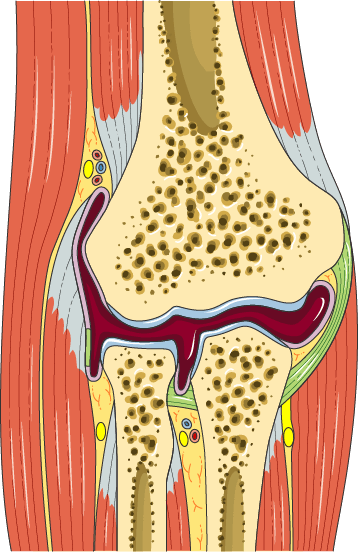
Research demonstrates that estrogen affects not only reproductive tissues but also muscles, tendons, and ligaments. Chidi-Ogbolu and Baar describe estrogen as having “a dramatic effect on musculoskeletal function,” directly influencing connective tissue structure and injury risk.
Women generally possess more compliant and elastic connective tissues than men, whereas male connective tissue tends to be stiffer and more mechanically rigid due to testosterone-mediated adaptations and greater muscle mass.
Why Women May Be More Vulnerable to Tendon and Ligament Injuries
These biological differences are not inherently pathological. Greater connective tissue compliance likely evolved to accommodate pregnancy, pelvic mobility, and different movement mechanics. However, the female musculoskeletal system becomes more dependent on estrogen to maintain tissue integrity and mechanical balance.
Estrogen regulates collagen metabolism partly through its effects on lysyl oxidase, an enzyme involved in collagen cross-linking and extracellular matrix maturation. Experimental studies demonstrate that estrogen stimulates lysyl oxidase activity and accelerates collagen maturation in connective tissues.
In younger women, stable estrogen levels may help support muscle repair, reduce inflammation, preserve cartilage, and maintain collagen content in connective tissues. However, estrogen also decreases tendon and ligament stiffness, potentially increasing joint laxity and susceptibility to injury under certain conditions.
Female athletes experience significantly higher rates of anterior cruciate ligament (ACL) rupture compared with men participating in similar sports, and hormonal fluctuations may contribute to this disparity.
Menopause and Joint Pain: What Happens When Estrogen Declines?
The transition to menopause represents a major physiological turning point because estrogen levels decline sharply. This hormonal loss disrupts the balance that previously maintained connective tissue homeostasis.
Tendons, ligaments, cartilage, and muscle begin to show reduced regenerative capacity and altered mechanical properties. Menopause is associated with accelerated muscle loss, reduced collagen synthesis, increased inflammation, impaired tendon healing, and progressive connective tissue degeneration. Many women report the sudden onset of musculoskeletal symptoms during perimenopause despite maintaining previous exercise habits and activity levels.
Common Musculoskeletal Symptoms During Menopause
Common menopause-related musculoskeletal conditions include:
- Achilles tendinopathy
- plantar fasciitis
- rotator cuff disease
- frozen shoulder
- gluteal tendinopathy
- generalized joint pain
- stiffness and reduced mobility
Unlike men, whose connective tissue physiology is more strongly influenced by testosterone and mechanical loading, women experience a rapid endocrine transition that directly affects collagen regulation.
Menopause, Muscle Loss, and Reduced Recovery Capacity
Muscle changes during menopause further amplify connective tissue vulnerability. Declining estrogen contributes to sarcopenia, the age-related loss of muscle mass and strength.
Reduced muscle support increases mechanical strain on tendons and joints, worsening injury risk and physical instability. Research also suggests that menopause may decrease sensitivity to anabolic stimuli.
Consequently, many women notice slower recovery from exercise, increased fatigue, persistent overuse injuries, and decreased strength and physical resilience during and after the menopausal transition.
Estrogen, Stem Cells, and Tissue Healing
Emerging evidence suggests that estrogen also affects musculoskeletal stem cell behavior and tissue repair processes.
Estrogen signaling influences tendon-derived stem cells, mesenchymal stem cells, and chondrogenic progenitor cells involved in connective tissue maintenance and regeneration. Reduced estrogen exposure may therefore impair tissue healing capacity at the cellular level, further contributing to degenerative changes after menopause.
Why Menopause-Related Musculoskeletal Symptoms Are Often Overlooked
An important aspect of this issue is that many menopausal musculoskeletal symptoms remain clinically underrecognized. Women frequently report being told that pain and stiffness are simply part of aging despite growing evidence linking estrogen decline to connective tissue dysfunction.
Online patient communities increasingly describe tendon pain, ligament instability, frozen shoulder, and diffuse musculoskeletal symptoms emerging during perimenopause.
Some women report significant improvement after initiating menopausal hormone replacement therapy (HRT), particularly regarding tendon pain and joint stiffness. While anecdotal evidence does not replace clinical trials, these reports reflect growing recognition of menopause as a musculoskeletal as well as reproductive transition.

The Growing Recognition of Menopause-Related Musculoskeletal Syndrome
Ultimately, gender disparities in musculoskeletal collagen biology create a unique vulnerability for women during menopause. Female connective tissues are more hormonally responsive and structurally compliant, making estrogen essential for maintaining connective tissue balance and repair.
When estrogen declines, women may experience a rapid deterioration in musculoskeletal resilience that affects mobility, performance, pain perception, and quality of life.
Increasing recognition of menopause-related musculoskeletal syndrome represents an important shift in medicine, highlighting the need for sex-specific research, improved clinical awareness, earlier intervention, and targeted therapies to support women’s long-term musculoskeletal health.
Supporting Women’s Musculoskeletal Health During Menopause
As research continues to evolve, the relationship between menopause, estrogen decline, collagen biology, and musculoskeletal health is becoming increasingly clear. For many women, menopause is not solely a reproductive transition, but also a significant connective tissue and musculoskeletal event that can affect mobility, recovery, pain levels, tendon health, and overall quality of life. Greater recognition of these hormonal influences may lead to earlier diagnosis, more effective treatment strategies, and improved long-term support for women experiencing menopause-related joint pain, tendon disorders, stiffness, and loss of physical resilience.
Emerging evidence increasingly supports the connection between estrogen signaling, collagen metabolism, and long-term musculoskeletal health in women. For many women, menopause is not solely a reproductive transition, but also a significant connective tissue and musculoskeletal event that can affect mobility, recovery, pain levels, tendon health, and overall quality of life.
Research also suggests that HRT, particularly estrogen therapy, may help support musculoskeletal health by influencing collagen production in tendons, ligaments, and connective tissue. Studies in postmenopausal women have shown that estrogen replacement may increase tendon collagen synthesis and collagen turnover, potentially helping maintain tissue strength, elasticity, and recovery capacity. Estrogen appears to interact with receptors in connective tissue cells, helping regulate the remodeling and maintenance of collagen-rich structures important for joint stability and muscle function.
Greater recognition of these hormonal influences may lead to earlier diagnosis, more effective treatment strategies, and improved long-term support for women experiencing menopause-related joint pain, tendon disorders, stiffness, and loss of physical resilience. If you would like to learn more about HRT and whether it may be a good fit for your health and musculoskeletal goals, consider scheduling a consultation with Dr. Stacey Guggino at Oregon Regenerative Medicine.
Frequently Asked Questions
Yes. Declining estrogen levels during menopause can affect collagen production, tendon healing, connective tissue strength, and inflammation, contributing to joint pain and tendon problems.
Estrogen plays a major role in collagen synthesis, tissue hydration, and connective tissue repair. When estrogen declines, tendons, ligaments, cartilage, and muscles may become more vulnerable to degeneration and injury.
Research suggests menopause may increase the risk of frozen shoulder due to hormonal effects on collagen and connective tissue health.
Yes. Estrogen helps regulate collagen synthesis, collagen cross-linking, and connective tissue maintenance throughout the body.
References
- Chidi-Ogbolu N, Baar K. Effect of Estrogen on Musculoskeletal Performance and Injury Risk. Front Physiol. 2019;9:1834. PMID: 30697162.
- Knewtson KE, Ohl NR, Robinson JL. Estrogen Signaling Dictates Musculoskeletal Stem Cell Behavior: Sex Differences in Tissue Repair. Tissue Eng Part B Rev. 2022.
- Sanada H, et al. Changes in collagen cross-linking and lysyl oxidase by estrogen. Biochim Biophys Acta. 1978;541(3):408-413. PMID: 27234.
- Hansen M, et al. Effect of estrogen on tendon collagen synthesis, tendon structural characteristics, and biomechanical properties in postmenopausal women. J Appl Physiol. 2009.
- Gilmer G, Crasta N, Tanaka MJ. The Effect of Sex Hormones on Joint Ligament Properties: A Systematic Review and Meta-analysis. Am J Sports Med. 2025.
- Ganderton C, et al. The effect of female sex hormone supplementation on tendon in pre and postmenopausal women: A systematic review. J Musculoskelet Neuronal Interact. 2016.
Image Credits
Featured image courtesy of Unsplash.
Medical illustration courtesy of Servier Medical Art.