


Musculoskeletal pain, whether from osteoarthritis, tendonitis, or soft tissue injury affects millions, limiting daily activity and diminishing quality of life. Traditional treatments like NSAIDs, corticosteroid injections, and surgery have their place but often come with side effects or inconsistent outcomes. In recent years, regenerative medicine has introduced a promising alternative: Autologous Protein Concentrate (APC), including alpha-2-macroglobulin (A2M), a naturally occurring protein with powerful therapeutic potential.
What is Autologous Protein Concentrate?
Autologous Protein Concentrate (APC) refers to a plasma-based biologic therapy derived from the patient’s own blood. The process involves drawing blood, isolating plasma proteins through a centrifugation and filtration technique, and concentrating anti-inflammatory and protective proteins, most notably alpha-2-macroglobulin.
The Mechanism: A2M in Action
Alpha-2-macroglobulin is a large plasma protein produced by the liver. Its primary role is to inhibit a wide array of proteases—enzymes that break down proteins and contribute to inflammation and tissue damage in joint and soft tissue diseases. When tissues are injured or inflamed, enzymes like matrix metalloproteinases (MMPs) are released. These enzymes degrade cartilage and perpetuate the inflammatory cycle.
A2M acts as a molecular “trap” for these destructive enzymes. Once bound, the enzyme-A2M complex is cleared from the body, effectively neutralizing the source of ongoing tissue breakdown. This targeted inhibition of proteases sets A2M apart from traditional anti-inflammatory drugs, which often provide symptom relief without addressing the biochemical causes of degeneration.1,2
Clinical Benefits and Evidence
Emerging research and clinical experience have highlighted several key benefits of APC and A2M injections:
- Cartilage Protection: Studies suggest that A2M can slow or halt cartilage degeneration, especially in early-stage osteoarthritis.
- Reduced Inflammation: A2M dampens inflammation without suppressing the immune system, making it safer for long-term use.
- Pain Relief: Patients often report significant reductions in joint or tendon pain following A2M treatment.
- Minimally Invasive: Because the therapy uses the patient’s own proteins, the risk of allergic reaction or rejection is minimal.
- Delay or Avoid Surgery: In some cases, APC treatments have postponed the need for joint replacement or surgical intervention.
While more large-scale trials are needed, preliminary evidence is encouraging. Multiple studies have demonstrated that intra-articular A2M injections significantly improved knee pain and function over six months in patients with moderate osteoarthritis.3,4
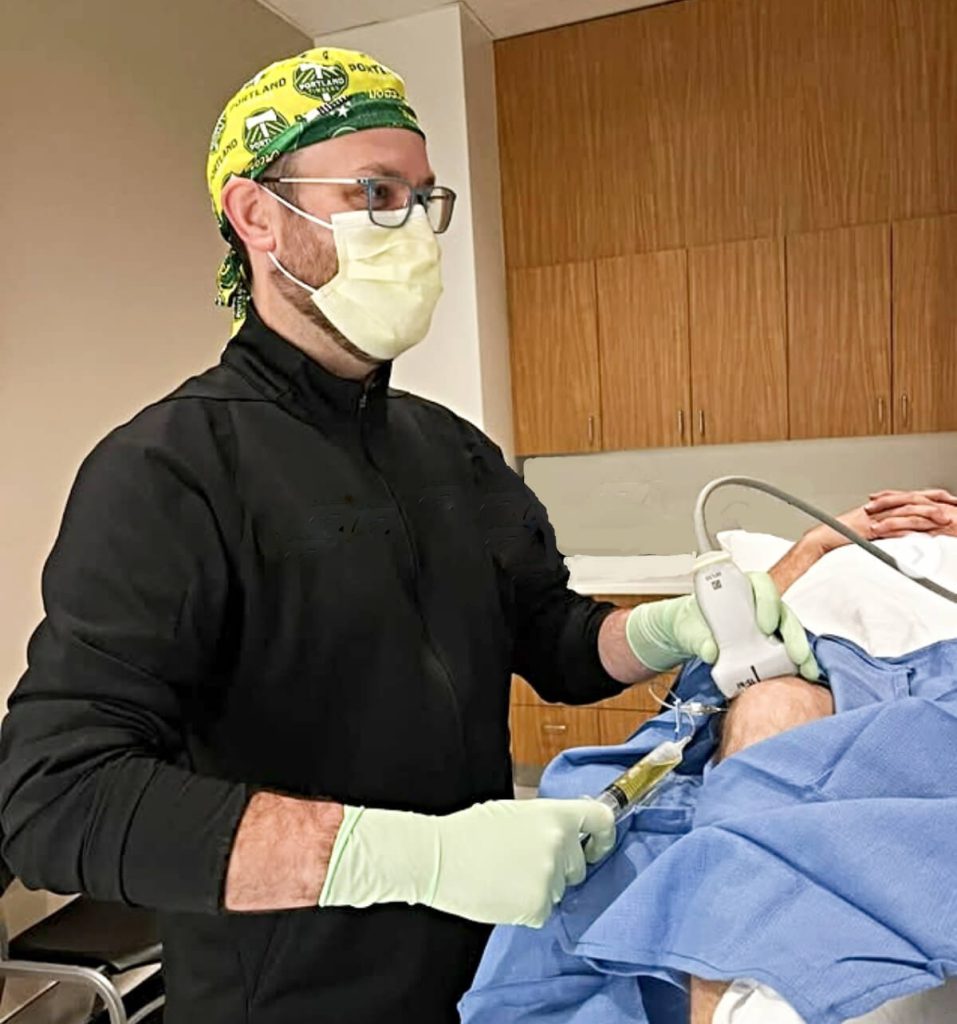
Applications Across Musculoskeletal Conditions
Autologous Protein Concentrate, particularly formulations rich in A2M, is being used in a variety of clinical settings:
- Osteoarthritis: Especially effective in early to moderate cases, A2M injections can help preserve joint health and reduce stiffness.
- Tendon Injuries: A2M may reduce tendon degradation in chronic tendonitis or tendinopathy.
- Discogenic Back Pain: Emerging protocols explore A2M injections into degenerated intervertebral discs, aiming to reduce inflammation and restore disc integrity.
- Post-Injury Recovery: APC can be part of a broader regenerative strategy after ligament or cartilage injury, alongside PRP or stem cell therapy.
The Future of Regenerative Pain Management
Autologous Protein Concentrate represents a paradigm shift—from masking symptoms to modifying the disease process. As research advances, the refinement of APC preparation methods and targeted delivery may further improve outcomes. For patients seeking non-surgical, biologically driven solutions to musculoskeletal pain, APC—particularly alpha-2-macroglobulin—offers a safe, personalized option grounded in the body’s own healing potential.
Dr. Manning is recognized internationally for his expertise in diagnostic and interventional musculoskeletal ultrasound and serves as a subject matter expert in the field. Dr. Manning is president and a founding member of the Naturopathic Orthopedic Medicine Academy, board member of the Oregon Association of Naturopathic Medicine, member of the Interventional Orthobiologics Foundation, and serves on the Oregon Pain Management Commission. From professional athletes to weekend warriors or those with persistent pain, Dr. Manning delivers individualized care and exceptional outcomes. He practices at Oregon Regenerative Medicine, teaches at the National University of Natural Medicine, and trains and consults other providers at Regenerative MSK Consultants. In 2024, Dr. Manning was awarded the inaugural Rising Star Award from the Oregon Association of Naturopathic Medicine, highlighting his excellence and leadership within naturopathic medicine in the state of Oregon.
References:
- Vandooren J, Itoh Y. Alpha-2-Macroglobulin in Inflammation, Immunity and Infections. Front Immunol. 2021 Dec 14;12:803244. doi: 10.3389/fimmu.2021.803244. PMID: 34970276; PMCID: PMC8712716.
- Cuéllar JM, Cuéllar VG, Scuderi GJ. α2-Macroglobulin: Autologous Protease Inhibition Technology. Phys Med Rehabil Clin N Am. 2016 Nov;27(4):909-918. doi: 10.1016/j.pmr.2016.06.008. PMID: 27788907.
- Woodell-May J, Steckbeck K, King W. Potential Mechanism of Action of Current Point-of-Care Autologous Therapy Treatments for Osteoarthritis of the Knee-A Narrative Review. Int J Mol Sci. 2021 Mar 8;22(5):2726. doi: 10.3390/ijms22052726. PMID: 33800401; PMCID: PMC7962845.
- Thompson K, Shankar DS, Huang S, Kirsch T, Campbell KA, Gonzalez-Lomas G, Alaia MJ, Strauss EJ, Jazrawi LM. The Effectiveness of Alpha-2-Macroglobulin Injections for Osteoarthritis of the Knee. Bull Hosp Jt Dis (2013). 2024 Dec;82(4):245-256. PMID: 39259950.